Cybersecurity Training to Improve Student Awareness and Skills
DOI:
https://doi.org/10.64126/dedikasisosial.v1i2.19Keywords:
Cybersecurity, Cyber Awareness, Digital LiteracyAbstract
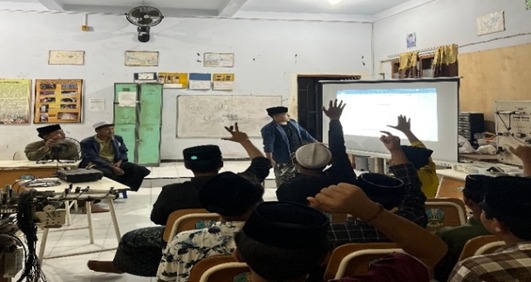
Along with technological advances in the digital era, cybersecurity has become a serious challenge faced by various groups, including Islamic boarding schools. As young generations actively engage with social media, digital applications, and online services, santri are vulnerable to cyber threats such as phishing, malware, and identity theft. The low levels of digital literacy and cybersecurity technical skills make this group urgently in need of specialized training. This community service program aims to improve santri's awareness and skills in recognizing, preventing, and responding to cyber threats. The method applied was a participatory training approach that included interactive lectures, group discussions, real-life threat simulations, and hands-on practice with digital security technologies. The training results indicated significant improvement in santri's understanding and skills in cybersecurity, as evidenced by pre- and posttest score comparisons and increased confidence in addressing potential threats. In addition, a cyber-aware community was established within the pesantren environment, serving as agents of change in disseminating knowledge and skills to other santri. In conclusion, this training not only enhanced santri's digital literacy but also contributed to the development of a stronger culture of cybersecurity in the pesantren environment. In the future, similar activities are recommended to be developed continuously and expanded in scope to achieve broader benefits.
Downloads
References
Bali, M. M. E. I. (2017). Model Interaksi Sosial dalam Mengelaborasi Keterampilan Sosial. PEDAGOGIK: Jurnal Pendidikan, 4(2), 211–227.
Faradina, U. A., Zahroh, S. F., Sulistiawati, & Faradini, U. A. (2023). Digital Literacy and Numeracy Education to Enhance Students’ Interest in Madrasah Ibtidaiyah. International Journal of Sustainable Social Science (IJSSS), 1(2), 83–94. https://doi.org/10.59890/ijsss.v1i2.1052
Fitriana, D., & Aidy, W. R. (2024). Pendekatan Kebudayaan dalam Membangun Ketahanan dan Keamanan Insani: Sebuah Kajian Strategis. Jurnal Keamanan Nasional, 10(2), 263–294.
Hajriyah, H. B. (2020). Modernisasi Pendidikan Agama Islam Di Era Revolusi Industri 4.0. MOMENTUM: Jurnal Sosial Dan Keagamaan, 9(1), 42–62. https://doi.org/https://doi.org/10.29062/mmt.v9i1.64
Hasanah, F. (2022). Aksentuasi Disiplin Belajar Mahasiswa dalam Moda Hybrid Learning di Era Pandemi Covid-19: Persepsi Pendidik. Jurnal Basicedu, 6(3), 4210–4219. https://doi.org/https://doi.org/10.31004/basicedu.v6i3.2800
Hayati, N., Mukarromah, N., Awliya’, I. Z., Halisah, S. N., Miladiana, & Dewi, A. (2022a). Analisis Strategi Marketing Brambang Chips Berbasis Media Sosial sebagai Potensi Utama Masyarakat. KEADABAN: Jurnal Sosial & Humaniora, 4(1), 66–74.
Hayati, N., Mukarromah, N., Awliya’, I. Z., Halisah, S. N., Miladiana, & Dewi, A. (2022b). Community Empowerment of Pondok Kelor Village Through Shallot Processing Innovation. Communautaire: Journal of Community Service, 01(01), 1–7.
Holilah, N. (2021). The Role of Foster Caregivers in the Effectiveness of Online Learning in Pesantren. Edukasi Islami: Jurnal Pendidikan Islam, 10(1), 339–362. https://doi.org/http://dx.doi.org/10.30868/ei.v10i01.1178
Kedua, T. W. Z., & Zebua, J. A. (2024). Analisis Keamanan Sistem Informasi pada Perusahaan E-Commerce di Indonesia. IDENTIK: Jurnal Ilmu Ekonomi, Pendidikan Dan Teknik, 1(3), 68–75.
Lasea, D. R., Irianib, A., & Satyawatic, S. T. (2022). Pengintegrasian Teknologi Informasi dan Komunikasi dalam Pembelajaran (Studi Kasus di SD Swasta Asisi Fodo). Trihayu: Jurnal Pendidikan Ke-SD-An, 9(1), 1–8.
Mundiri, A., Bali, M. M. E. I., Rozi, F., & Muali, C. (2023). Risk Management at MI As-Sholihin Karangpenang Oloh Karangpenang Sampang. Proceeding of International Conference on Education, Society and Humanity, 1(1), 1228–1232.
Musrifah. (2020). The Problems of Application of Online Learning in the Affective and Psychomotor Domains During the Covid-19 Pandemic. Jurnal Pendidikan Agama Islam, 17(2), 137–154. https://doi.org/https://doi.org/10.14421/jpai.2020.172-03
Rahmadanita, A. (2022). Rendahnya Literasi Remaja di Indonesia: Masalah dan Solusi. Jurnal Pustaka Ilmiah, 8(2), 55. https://doi.org/10.20961/jpi.v8i2.66437
Rohmah, L. (2018). Implementasi Pendekatan Eklektik Berbasis Sharing Zone. Muróbbî: Jurnal Ilmu Pendidikan, 4(1), 152–167.
Rosmini, H., Ningsih, N., Murni, M., & Adiyono, A. (2024). Transformasi Kepemimpinan Kepala Sekolah pada Era Digital: Strategi Administrasi Pendidikan Berbasis Teknologi di Sekolah Menengah Pertama. Konstruktivisme: Jurnal Pendidikan Dan Pembelajaran, 16(1), 165–180.
Septantiningtyas, N., Astutik, S. F., & Bali, M. M. E. I. (2022). Efektivitas Pembelajaran Daring Berbantukan Aplikasi Zoom Meeting untuk Meningkatkan Hasil Belajar Siswa Sekolah Dasar Masa Pandemi Covid-19. Muróbbî: Jurnal Ilmu Pendidikan, 6(2), 187–200.
Sholihah, U., & Husein, W. M. (2022). Evaluasi Pembelajaran Virtual. Pustaka Nurja.
Siringoringo, R. G., & Alfaridzi, M. Y. (2024). Pengaruh Integrasi Teknologi Pembelajaran terhadap Efektivitas dan Transformasi Paradigma Pendidikan Era Digital. Jurnal Yudistira: Publikasi Riset Ilmu Pendidikan Dan Bahasa, 2(3), 66.
Sodik, M., Nur Syayidah, L., & Nur Isma, L. (2024). Peningkatan Kapasitas Pembelajaran Santri melalui Literasi Digital dan Pemanfaatan Media Sosial di Pondok Pesantren. Jurnal Pengabdian Kepada Masyarakat Desa (JPMD), 5(2), 127–139. https://doi.org/10.58401/jpmd.v5i2.1436
Soesanto, E., Romadhon, A., Mardika, B. D., & Setiawan, M. F. (2023). Analisis dan Peningkatan Keamanan Cyber: Studi Kasus Ancaman dan Solusi dalam Lingkungan Digital Untuk Mengamankan Objek Vital dan File. SAMMAJIVA: Jurnal Penelitian Bisnis Dan Manajemen, 1(2), 172–191.
Tohet, M., Bali, M. M. E. I., Astuti, D. P. J., Ulfa, A., Maisaroh, S., Ashidqiah, H., Abdullah, D., Hasan, K., Ridwan, T. M., & Erliana, C. I. (2021). Characters Education Based Audiovisual for Children in the Coastal Area. Turkish Online Journal of Qualitative Inquiry (TOJQI), 12(4), 1639–1644.
Zulqornain, K. (2023). Islamic Boarding Schools Management Strategies in Conducting Illegal Moneying Students. MANAZHIM: Jurnal Manajemen Dan Ilmu Pendidikan, 5(2), 750–769.
Downloads
Published
How to Cite
Issue
Section
License
Copyright (c) 2025 Muhammad Mushfi El Iq Bali, Ghufron Jailani, Moh. Roikul Hasan, Moh. Khozinul Ajaib

This work is licensed under a Creative Commons Attribution-ShareAlike 4.0 International License.