LinkedIn-Based Personal Branding Training To Improve Final Student Career Readiness
DOI:
https://doi.org/10.64126/dedikasisosial.v2i1.95Keywords:
Career Readiness, Final Degree Students, LinkedIn, Personal Branding, Professional ImageAbstract
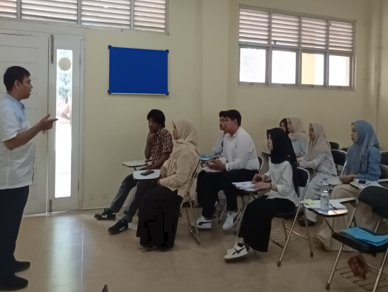
Worker recruitment patterns and career development are now greatly influenced by the development of digital technology. Therefore, it is necessary to develop abilities and skills in final year students as an effort to build a professional image starting from college until after they graduate. At this time, there are still many final year students who do not understand the concept of personal branding and have not utilized the LinkedIn digital platform website optimally as the main means of their career development. This community service activity aims to increase participants' understanding of the importance of personal branding and their ability to manage the LinkedIn website as a means of providing a professional image to support their careers in the future. The service method applied has 4 stages, namely: 1. Preparation stage, 2. Discussion stage, 3. Practice/mentoring stage and 4. Evaluation stage. This activity will be carried out in June 2026 with the target of service being final year students. The results of the service showed that at first, the final year students did not understand the theme of personal branding and the use of LinkedIn. After the service was carried out, participants experienced an increase in knowledge and understanding of the importance of personal branding in supporting their careers in the future. Not only that, but participants are also able to optimize LinkedIn profiles to support their professional image displayed on the LinkedIn website. This is evidenced by compiling profiles, abouts, and other identities filled in on the LinkedIn website. At the end of this activity, an evaluation of the activity was carried out. Evaluations were carried out with participants who participated in this series of activities. The results of the evaluation show that there is a change in the mindset and thinking pattern of participants who now consider personal branding on the LinkedIn website important, so that this will affect their future decisions to improve their professional image through relevant activities.
Downloads
References
Alonso-Gonzalez, A., Peris-Ortiz, M., & Cao-Alvira, J. J. (2019). Personal Branding as a Knowledge Management Tool to Enhance Innovation and Sustainable Development in Organizations. In Innovation, Technology, and Knowledge Management (pp. 113–129). Springer, Cham. https://doi.org/10.1007/978-3-319-74881-8_8
Bali, M. M. E. I., Jailani, G., Hasan, M. R., & Ajaib, M. K. (2025). Cybersecurity Training to Improve Student Awareness and Skills. Dedikasi Sosial : Jurnal Pengabdian Masyarakat,1(2),56–72. https://doi.org/https://doi.org/10.64126/dedikasisosial.v1i2.19 Cybersecurity
Billman, A., Utomo, S. M., Indriana, I., Caesar, L. A. Y., Satria, B., & Surjandy, S. (2025). A Modified UTAUT Model of Student LinkedIn Utilization. International Conference on Creative Communication and Innovative Technology (ICCIT), 1–7. https://doi.org/10.1109/iccit65724.2025.11167482
Datta, A., Dutta, S., Santhanam, G., Sengupta, S., & Arivazhagan, R. (2024). Leveraging Linkedin Networking Tools for Optimal Talent Acquisition in the Banking Industry: A Conceptual Study. Journal of Business Strategy Finance and Management, 5(2). https://doi.org/10.12944/jbsfm.05.02.03
Dewi, D. C., & Hermina, N. (2024). The Role of Digitalization on the Recruitment and Selection Process of Human Resources in the Creative Economy Industry (LiteratureReview). The1stInternationalStudentConferenceonEconomicsandBusinessExcellence (ISCEBE), 1(1), 582–589. https://doi.org/10.33830/iscebe.v1i1.4320
Fitriandy, R., Pebrianti, W., Akbar, M. T., Almira, A. M., & Annisa, S. N. (2025). Pelatihan Membangun Personal Branding dan Kepercayaan Diri pada Siswa SMP Negeri 2 MempawahTimur.El-Mujtama,5(1). https://doi.org/10.47467/elmujtama.v5i1.5913
Fuadi, M. H., Aminudien, F. A., & Ramadhanita, F. F. (2025). Strengthening Digital Citizenship Through an Islamic Values-Based Media Literacy Program at SMPIT Istiqomah Bungursari. Dedikasi Sosial : Jurnal Pengabdian Masyarakat, 1(2), 44–55. https://doi.org/https://doi.org/10.64126/dedikasisosial.v1i2.20
Galera, M. D. C. G., Catalina-García, B., & Nicolás, M. M. (2023). Digitalisation, Labour Market and Training. Opportunities and Vulnerabilities for Communication Graduates.QUADERNSDELCAC,35–44. https://doi.org/https://doi.org/10.34810/qcac49id420934 Abstract
Gigauri, I., Gulua, E., & Mushkudiani, Z. (2020). Current Advances In Digital Recruitment Of Human Resources And Its Potential For Companies. Social Science Research Network.
Girard, T., Pinar, M., & Lysiak, L. L. (2020). Understanding Student Perceptions of Their Personal Branding in Higher Education. Journal of Higher Education, Theory, and Practice, 20(13), 136–146. https://doi.org/10.33423/JHETP.V20I13.3839
Hidayatullah, M. A., Wahyudi, D. T., & Nurholis, M. R. (2025). Utilization Of Linkedin As A Media For Preparation For The World Of Work: A Phenomenological Study Of Final Level Students. International Journal of Humanities Education and Social Sciences, 5(3), 1229–1238. https://doi.org/10.55227/ijhess.v5i3.1938
Hutauruk, A. E. A., Purba, A. S., Baskoro, D. A., Simanjuntak, N., dwi jelita waruwu, P., & Siallagan, S. S. M. (2024). Strategi Personal Branding melalui Pemasaran Online di Era Globalisasi. Jurnal Bisnis Inovatif Dan Digital, 1(3), 52–59. https://doi.org/10.61132/jubid.v1i3.176
Ibrahim, W. M., & Nur, D. M. M. (2025). Strategi Adaptasi Mahasiswa Gen Z terhadap Trend Velocity dalam Pembelajaran dan Kehidupan Sosial. SOSMANIORA Jurnal Ilmu Sosial Dan Humaniora, 4(2), 173–179. https://doi.org/10.55123/sosmaniora.v4i2.4991
Kariza, C. I. (2025). Penguatan Personal Branding untuk Pengembangan Karir Manajemen. DIANMAS BHAKTI : Jurnal Pengabdian Masyarakat, 2(2), 79–85. https://doi.org/10.54035/dianmas.v2i2.591
Kashian, N. (2026). Career Benefits of Networking Face-to-Face and Via LinkedIn. International Journal of Business Communication. https://doi.org/10.1177/23294884251408450
Katole, R. S. (2024). LinkedIn Data Analysis and Predications of Recruitment Ratio using Power BI. International Journal For Science Technology And Engineering, 12(10), 614–619. https://doi.org/10.22214/ijraset.2024.64632
Morales-López, D. A., Pasato-Guallpa, P. E., Pallo-Tulmo, P. A., & Alarcó-Szabo, M. T. (2025). Marca Personal en Estudiantes Universitarios: un Análisis Bibliométrico de la Producción Científica Global. MQR Investigar, 9(3), e917. https://doi.org/10.56048/mqr20225.9.3.2025.e917
Nadia, M., & Maksum, I. (2025). Determinasi Career Readiness, Personal Branding, dan Etika Kerja terhadap Job Search Intention Mahasiswa Generasi Digital. Jurnal Manajemen Stratejik Dan Simulasi Bisnis, 6(2), 152–164. https://doi.org/Determinasi Career Readiness, Personal Branding, dan Etika Kerja terhadap Job Search Intention Mahasiswa Generasi Digital
Pfettser, A. A. (2021). Digital Academic Environment and Professional Identity Development. Вестник Кемеровского Государственного Университета, 23(4), 985–994. https://doi.org/10.21603/2078-8975-2021-23-4-985-994
Pryimak, V. (2023). Using Digital Technologies in the Recruitment and Selection Process. Grail of Science, 25, 90–92. https://doi.org/10.36074/grail-of-science.17.03.2023.012
Rahma, D. W., Fitriati, T. N., Firman, R. R., Daryatmo, K. T. P., Rifky, R. M., Aisyah, N., & Wibowo, N. C. (2024). Pentingnya Personal Branding: Pembekalan Siswa-Siswi SMK Telekomunikasi Telesandi dalam Menyambut Dunia Kerja. SOROT Jurnal Pengabdian Kepada Masyarakat, 3(2), 92–97. https://doi.org/10.32699/sorot.v3i2.7569
Setiawan, I. M. K. W., & Prianthara, I. B. T. (2024). The Effectiveness of E-Recruitment Process using Job Vacancies Applications in the Digitalization Era. Quantitative Economics and Management Studies, 5(6), 1181–1193. https://doi.org/10.35877/454ri.qems2950
Skibska, K., & Konovalova, V. (2024). Digitalization of Remote Personnel Recruitment. Galicʹkij Ekonomìčnij Vìsnik, 86(1), 107–114. https://doi.org/10.33108/galicianvisnyk_tntu2024.01.107
Türkoğlu, H. S. (2025). Türkiye’nin Önde Gelen İşveren Markalarının Linkedin Üzerindeki Stratejik İletişim Pratikleri: Çeşitlilik, Kapsayıcılık ve Çalışan Refahı Bağlamında Karşılaştırmalı Bir Analiz. The Journal of Behavior at Work, 10(2). https://doi.org/10.25203/idd.1837263
Wajdi, M., Susanto, B., Sutiarso, M. A., & Hadi, W. (2024). Profile of Generation Z Characteristics: Implications for Contemporary Educational Approaches. Kajian Pendidikan, Seni, Budaya, Sosial Dan Lingkungan, 1(1), 33–44. https://doi.org/10.58881/kpsbsl.v1i1.8
Waller, T. (2020). What Is a Personal Brand. In Management for Professionals (pp. 19–36). Springer, Cham. https://doi.org/10.1007/978-3-030-43744-2_2
Wheeler, L., Garlick, R., Johnson, E., Shaw, P., & Gargano, M. (2022). LinkedIn(to) Job Opportunities: Experimental Evidence from Job Readiness Training. American Economic Journal: Applied Economics, 14(2), 101–125. https://doi.org/10.1257/app.20200025
Zafar, M. R., Sultan, R., & Shahzad, A. (2022). Personal Branding: A Study on the Effects of Sociability and Charisma on Perceived Competence and Authenticity. Global Social Sciences Review, VII(I), 230–243. https://doi.org/10.31703/gssr.2022(vii-i).23
Downloads
Published
How to Cite
Issue
Section
License
Copyright (c) 2026 Rachmat Tullah, Muktar Muktar, Irwansyah Suwahyu, Muhammad Iqbal, Aghnia Zahrah

This work is licensed under a Creative Commons Attribution-ShareAlike 4.0 International License.