Integration of Flash Flood Mitigation Education within the Sustainable Development Framework at State Elementary School 6 Meureudu
DOI:
https://doi.org/10.64126/dedikasisosial.v2i1.57Keywords:
Community Engagement, Disaster Education, Elementary School Students, Flash Flood Mitigation, Sustainable DevelopmentAbstract
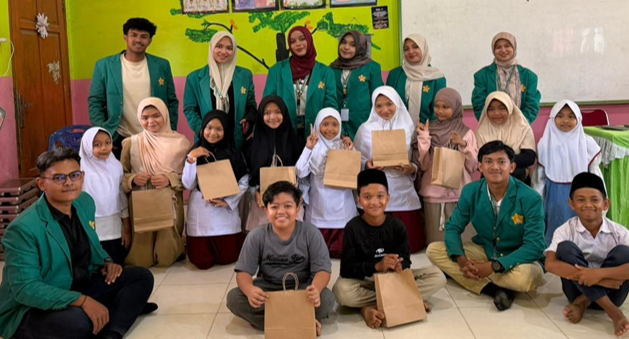
Indonesia is highly vulnerable to various hydrometeorological disasters, particularly flash floods, which frequently result in significant human, environmental, and economic losses. Pidie Jaya Regency, Aceh Province, is among the regions exposed to recurrent flooding, underscoring the urgent need to strengthen disaster risk reduction through early educational interventions. This community engagement program aimed to provide flash-flood mitigation education within the framework of sustainable development to sixth-grade students at State Elementary School 6 Meureudu. The program involved 25 students and adopted a participatory educational approach comprising interactive lectures, group discussions, audiovisual learning materials, disaster simulations, question-and-answer sessions, and reflective feedback activities. The educational materials covered the basic concepts of flash floods, their causal factors, early warning signs, appropriate mitigation measures before, during, and after disaster events, and the importance of environmental stewardship as an integral component of sustainable development. The implementation results indicated substantial improvements in students' understanding of flash flood characteristics, their ability to recognize early warning signs, and their knowledge of appropriate self-protection measures during emergencies. Moreover, participants demonstrated greater environmental awareness and actively engaged throughout the learning process. The findings suggest that participatory disaster education provides an effective contextual learning strategy for primary school students and has considerable potential to foster a culture of disaster preparedness from an early age. Furthermore, strengthening students' disaster preparedness capacities may contribute to broader community resilience by transferring knowledge to families and surrounding communities, thereby supporting the achievement of sustainable development goals.
Downloads
References
Amri, A., Bird, D. K., Ronan, K., Haynes, K., & Towers, B. (2017). Disaster Risk Reduction education in Indonesia: Challenges and recommendations for scaling up. Natural Hazards and Earth System Sciences, 4(17), 595–612.
Fathani, T. F.; Karnawati, D.; Wilopo, W. (2016). An integrated methodology to develop a standard for landslide early warning systems. Natural Hazards and Earth System Sciences, 16(9), 2123–2135.
Herliansyah, R., Fitria, I., Rauf, N. M., & Achmad, A. K. (2025). Modeling Disaster Risk in Indonesia: A Latent Variable Modeling Approach to Heva Assessment. Jurnal Statistika Dan Aplikasinya, 9(2). https://doi.org/10.21009/jsa.09201
Khambali, I. (2017). Manajemen penanggulangan bencana. Andi Offset.
Lassa, J. A. ., Nugraha, E. ., & Ramli, M. S. (2018). Community-Based Disaster Risk Management in Indonesia: Policies and Practices. Progress in Disaster Science, 2.
Mulyasari, F. ., Shaw, R. ., & Takeuchi, Y. (2011). Disaster Awareness Training for Students in Indonesia: Lesson from Yogyakarta. Journal of Natural Disaster Science, 33(1), 1–13.
Nations, U. (2015). Transforming our world: The 2030 agenda for sustainable development.
Nurjanah, N. ., Sugiharto, R. ., Kuswanda, D. ., BP, S. ., & Adikoesoemo, A. (2018). Manajemen Bencana (Edisi Revi). Alfabeta.
OECD. (2020). Disaster risk financing and insurance: Key trends and challenges.
Pahleviannur, M. R. (2019). Edukasi sadar bencana melalui sosialisasi kebencanaan sebagai upaya peningkatan pengetahuan siswa terhadap mitigasi bencana. Jurnal Pendidikan Ilmu Sosial, 29(1), 49–55.
Pramono, R. ., Yudhistira, D. ., & Widana, I. D. K. K. (2020). Pengaruh Pendidikan Mitigasi Bencana Berbasis Partisipatif Terhadap Kesiapsiagaan Siswa Sekolah Dasar. Jurnal Pendidikan Geografi, 20(1), 45–56.
Rafliana, I. ., Djalante, R. ., Rudyanto, A. . J., & Amsari. (2016). Disaster risk reduction education in Indonesia: Progress and prospect. Procedia - Social and Behavioral Sciences, 227, 555–561.
Shaw, R.; Shiwaku, K.; Kobayashi, H.; Kobayashi, M. (2004). Linking experience, education, perception and earthquake preparedness. Disaster Prevention and Management, 13(1C), 39–49.
Suharwoto, G. (2020). Sekolah aman bencana: Panduan implementasi. Pusat Kurikulum dan Pembelajaran, Kementerian Pendidikan dan Kebudayaan Republik Indonesia.
UNDP. (2020). Human development report 2020: The next frontier—Human development and the Anthropocene.
Wisner, B.; Blaikie, P.; Cannon, T.; Davis, I. (2004). At risk: Natural hazards, people’s vulnerability and disasters (2nd ed.). Routledge.
Yulaelawati, E. ., & Usman, S. (2008). Mencerdasi bencana. Grasindo.
Downloads
Published
How to Cite
Issue
Section
License
Copyright (c) 2026 Tasya Anjali, Nofriadi Nofriadi, Nadilati Fuddailah, Zikra Ukhaira, Siti Attahira

This work is licensed under a Creative Commons Attribution-ShareAlike 4.0 International License.